

SELF-CONFIDENCE
How to Regain
Self-Confidence
Doubt and fear of judgment can hold you back.

Discover the approach that addresses the root causes of certain emotional blockages.
BY SIGNING UP FOR THE NEWSLETTER, YOU'LL RECEIVE
A PDF guide
to help you manage your emotions more mindfully in your daily life.
Regular teachings on well-being and personal development.
- GROUP ACTIVITY
- Online or In-person
- CONFIDENTIAL APPROACH

73% improvement
of the emotional charge of the group during the session on June 13, 2026
Do any of these situations sound familiar to you?
See if any of these statements match what you're experiencing.
You often doubt yourself
You're afraid of what others will think
You're constantly comparing yourself to others
Are you afraid you're not good enough?
Do you have trouble asserting yourself?
Are you having trouble finding your place?
Take a look at these two examples, which show that it is our subconscious that controls up to 95% of our lives.
THE ARUSHIOM APPROACH
Take action at the source, where everything is recorded
At Arushiom, we believe that certain emotions from the past can remain active in the subconscious and continue to influence our behavior today.
Our sessions are designed to help individuals work directly at this level in order to neutralize certain emotional reactions that have become automatic.
Through guided inner work, the goal is to gradually foster acceptance and forgiveness at the subconscious level so that certain reactions will gradually cease to dominate daily life.
Two ways to free yourself
And each one complements the other
Emotional release session
To let go of what’s weighing on you inside.
- Works on a subconscious level
- No need to talk about your problems
- Led by Master Richard
- One follow-up meeting included
- Available every month
Available as a group on Zoom or as a face-to-face workshop. Includes one free follow-up/preparation meeting, at no extra charge.
*Sessions are currently only available in French.
OBSERVED RESULTS
Results felt,
measured by participants.
73 %
AVERAGE
EMOTIONAL IMPROVEMENT
SESSION DATE: JUNE 13, 2026
Average reduction observed in emotional burden, as measured based on participants’ reported feelings before and after this emotional release session.
73 %
No guarantees or promises of results are made. Results may vary from person to person.
45 %
AVERAGE
PHYSICAL IMPROVEMENT
MEETING DATE: July 4, 2026
Average reduction in physical tension and pain, as measured based on participants’ self-reported experiences before and after this body release session.
45 %
Results vary depending on the intensity, duration, and complexity of the physical conditions.
*Sessions are currently only available in French.


WHAT PARTICIPANTS SAY
Changes that were felt, as reported by those who went through the process
More peace of mind and an easier time letting go
Reduction in emotional reactions
A feeling of inner lightness
Reduction in physical strain
Deeper, more restful sleep
Lasting Emotional Calm
HOW DOES AN EMOTIONAL RELEASE SESSION WORK?
A guided journey of inner reflection—gentle and profound
Session led by Master Richard
Energy work designed to help release certain emotions that are blocked inside
Work that promotes acceptance and forgiveness at the subconscious level
A practice that helps circulate certain energies that may remain blocked in the body
No obligation to speak; complete confidentiality guaranteed
Guided meditation to help integrate the work done
A progressive inner journey that builds up session by session, at your own pace.
Master Richard and the Arushiom Foundation
Master Richard
FOUNDER – EMOTIONAL AND PHYSICAL WELL-BEING
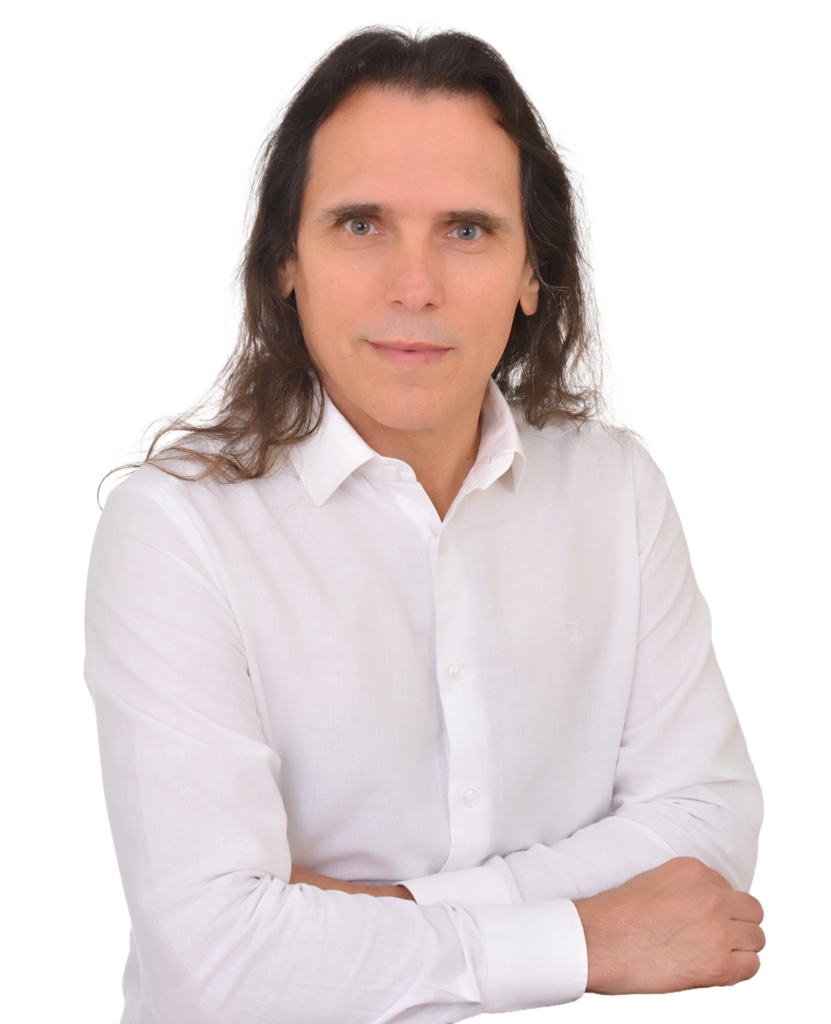
For over 15 years, Master Richard has accompanied thousands of people in emotional release work focused on the subconscious, often linked to inner tensions, automatic reactions and emotional burdens that fuel daily stress.
His approach, which focuses on the subconscious – often the source of our reactions – our mental agitation, and certain emotional blocks, aims to help participants gradually release the emotional burdens that prevent them from fully experiencing certain emotions—such as a lack of self-confidence—in order to regain greater calm, inner peace, and a genuine ability to recharge.
+200
SESSIONS
+15 000
SUPPORTED
+15
YEARS
OF EXPERIENCE
“Acceptance is the first step toward peace. Freeing oneself also means freeing others.”
– Master Richard

Healing yourself and understanding life…Secrets revealed (in French)
Published by Béliveau Éditeur
Healing yourself and understanding life…Secrets revealed (in French)
Published by Béliveau Éditeur
For over 15 years, Master Richard has accompanied thousands of people in emotional release work focused on the subconscious, often linked to inner tensions, automatic reactions and emotional burdens that fuel daily stress.
His approach, which focuses on the subconscious – often the source of our reactions – our mental agitation, and certain emotional blocks, aims to help participants gradually release the emotional burdens that prevent them from fully experiencing certain emotions—such as a lack of self-confidence—in order to regain greater calm, inner peace, and a genuine ability to recharge.
+200
SESSIONS
+15k
SUPPORTED
+15
YEARS OF EXPERIENCE
“Acceptance is the first step toward peace. Freeing oneself also means freeing others.”
– Master Richard
WHAT THEY EXPERIENCED
The release experience
First restful night in a while!
“I’d been having back pain for a long time, and often woke up feeling groggy… Master Richard detected an accumulation of stress. I was finally able to get a good night’s sleep, and this morning several toxins were released. Thanks to the whole team!
Marc Cabana
Saint-Jérôme, Canada
Inner peace
“My experience is spread over several sessions, and each time I feel a little lighter! Today, a real inner peace has settled over my heart and soul. Life’s difficulties are still there, but I approach them with calm and serenity.”
Béatrice-Raphaëla
Marrakesh, Morocco
A first beautiful session
“On my side, a lot of pain and inner sadness. With this first encounter, I felt lighter, liberated. Sleep and the feeling of being more Zen in everyday life have been with me ever since.”
Montréal
Actual testimonials collected from participants. Individual results may vary.
Frequently asked questions
Your questions,
our honest answers.
Why do some people lack self-confidence and often have low self-esteem?
A lack of self-confidence can take many forms. Some people experience low self-esteem, a lack of self-worth, or negative self-perception, or may develop a negative self-image over time. When a person begins to constantly doubt themselves, it can sometimes become difficult to recognize their own worth. At Arushiom, we believe that self-esteem is built by gradually working through certain emotions, past experiences, and unconscious patterns that still influence how a person perceives themselves.
Very often, behind this negative perception lies an emotion that was unconsciously created through certain experiences in the past, often as early as childhood. As long as this emotion remains active in the subconscious, it can continue to fuel doubt and a negative self-image. This is why it’s important to address this emotion at its source in order to gradually foster acceptance and forgiveness at the subconscious level.
Why do some people constantly feel like they aren't capable or like they never believe in themselves enough?
A lack of self-confidence often leads a person to doubt themselves, to feel incapable, or to constantly feel overwhelmed by certain everyday situations. Over time, some people also develop a profound sense of low self-worth; they may feel inadequate, and sometimes even feel inferior to others, which gradually perpetuates a lack of self-confidence that is difficult to overcome if the underlying causes are never truly addressed.
Very often, this feeling of inadequacy does not arise by chance. Certain past experiences may have unconsciously created emotions that continue to fuel this inner feeling even today. As long as this emotion remains present in the subconscious, it can continue to make the person believe that they are incapable. The task, then, is to release this emotion in order to allow for a gradual process of inner acceptance.
Why do some people constantly hesitate and have such a hard time making decisions?
Some people experience difficulty making decisions that becomes almost constant. This situation can manifest as a fear of making mistakes, constant hesitation, an inability to make a decision, persistent indecision, difficulty making choices, or a feeling of never being sure of oneself. Very often, this difficulty is accompanied by a profound lack of inner certainty, which can keep a person stuck in a state of inaction for several years.
In many cases, behind this fear of making decisions lies an emotion linked to certain past experiences in which the person has unconsciously associated mistakes, failure, or judgment with something painful. As long as this emotional burden remains active at the subconscious level, it can continue to fuel constant hesitation. That is why it becomes important to address this emotion directly at its source.
Why do some people constantly feel the need to be approved of or validated by others?
The need for approval is often much deeper than we realize. Some people experience a constant need for validation, feel the need to always please others, constantly strive to please everyone, or develop, over time, a strong fear of disappointing others. When a person begins to depend on the opinions of others, they may gradually feel a strong need to be accepted as well as a deep need to be appreciated, which directly affects their freedom to be fully themselves.
Very often, this need stems from past experiences in which the person unconsciously learned that they had to please others, perform well, or be accepted in order to be loved. As long as this emotion remains active in the subconscious, it continues to fuel this constant need for external validation. The work, then, consists of gradually releasing this emotion in order to regain greater inner freedom.
Why can perfectionism and self-criticism seriously undermine self-confidence?
Perfectionism can sometimes become an extremely demanding internal mechanism. Some people develop excessive perfectionism, learn to be too hard on themselves, and may constantly criticize themselves or constantly second-guess themselves, even when they’re doing things right. Over time, this internal pressure can lead to self-sabotage, cause some people to constantly belittle themselves, and sometimes result in a genuine inability to recognize their true worth.
Behind this mechanism often lies an emotion that was unconsciously formed at a very early age, when the person internalized the belief that they must constantly do more, prove themselves more, or avoid making mistakes in order to be recognized. As long as this emotion remains active in the subconscious, it continues to fuel this excessive internal pressure. It therefore becomes essential to address this emotional memory at its source.
Why does learning to love yourself more and developing a better relationship with yourself profoundly transform your life?
Developing self-confidence often depends on the relationship we have with ourselves. Some people must gradually learn to love themselves, overcome difficulties in accepting themselves, work through a deep lack of self-love, and sometimes even relearn how to respect themselves. When a person finally begins to feel good about themselves, they can also gradually get to know themselves better, develop greater self-confidence, and start to see themselves in a more positive light in their daily lives.
However, when a person has long struggled with a difficult relationship with themselves, this often stems from emotions associated with certain past experiences that have gradually eroded their self-image. As long as these emotions remain present at the subconscious level, it becomes difficult to feel true inner peace. The work, then, consists of gradually transforming these emotional burdens.
Why do certain past wounds still have such a profound impact on self-confidence today?
Many of today’s difficulties can sometimes be linked to certain childhood wounds, emotional trauma, long-standing inner pain, or negative experiences from the past that continue to unconsciously influence a person. When an emotion remains unresolved, certain repressed emotions, unresolved emotions, or emotional blocks can continue to fuel certain automatic reactions. The process of transformation then often involves a genuine, gradual emotional healing.
At Arushiom, we believe that as long as these emotions remain active in the subconscious, they can continue to fuel the same reactions, sometimes for years. That is why it is important to address these emotions at their source in order to facilitate a process of acceptance and forgiveness at the subconscious level.
Why do some people still lack self-confidence despite all their efforts?
Many people wonder: Why do I still lack self-confidence, even though I’ve been working on myself for a long time? Very often, certain deeper causes remain hidden beneath the surface. When certain unconscious patterns, past wounds, or unresolved emotions persist, the same reactions can resurface despite all conscious efforts.
The problem is often not a lack of willpower. Behind this difficulty often lies an old emotion that continues, unconsciously, to fuel the same internal patterns. As long as this emotion remains active at the subconscious level, the same pattern tends to repeat itself. That is why the work must go deeper.
How can I stop constantly seeking approval or validation from others?
Many people try to understand how to stop seeking the approval of others but are unable to truly change this habit. When a person has long been conditioned to function by seeking external acceptance, they may unconsciously continue to constantly want to please others, conform, or avoid judgment. This pattern may require deeper work in order to gradually regain one’s own inner freedom.
Very often, this need stems from old emotions that were unconsciously created through certain experiences in which the person learned that they needed approval to feel emotionally secure. As long as this emotion remains active in the subconscious, this need continues to exist. It is therefore necessary to address this emotional burden at its source.
Why do some people constantly feel inferior to others?
Many people ask themselves: Why do I always feel inferior to others, without understanding where this inner feeling comes from? When a person has gone through certain experiences that have gradually eroded their self-image, they may start to constantly compare themselves to others, doubt their own worth, or unconsciously believe that they’re worth less than others.
This feeling of inferiority often stems from emotions that have been deeply rooted in the subconscious for a long time. Certain past experiences have sometimes created an unconscious perception of lack or inadequacy. As long as this emotion remains unaddressed, it can continue to fuel the same thoughts and behaviors. The work, therefore, involves directly addressing this emotional memory.
How can you stop constantly putting yourself down and finally recognize your own worth?
Some people are trying to figure out how to stop putting themselves down because they realize they’re engaging in an extremely harsh inner dialogue. When someone has spent a long time criticizing or doubting themselves, they may unconsciously continue to feed this negative perception of themselves. Change often begins when we gradually learn to recognize our true worth.
Very often, this excessive self-criticism has developed as a result of certain experiences that unconsciously created emotions that are still present today. As long as these emotions remain active at the subconscious level, they continue to fuel this negative inner dialogue. That is why we must address this emotion directly at its source.
Why do some people constantly doubt themselves before taking action?
Some people often ask themselves: Why do I always doubt myself before making a decision, speaking up, taking action, or simply trusting my intuition? When certain past experiences have gradually eroded one’s inner confidence, doubt can become an almost constant reflex that affects every aspect of life.
Behind this constant doubt often lies an old emotion that has unconsciously programmed the person to distrust themselves. As long as this emotion remains active in the subconscious, it continues to trigger the same automatic response. The work, then, consists of gradually transforming this emotional memory.
How can I stop constantly trying to please everyone?
Many people are trying to figure out how to stop trying to please everyone because they feel like they spend their lives adapting to others. When a person develops the habit of seeking approval at a very early age, they may unconsciously continue to constantly prioritize the expectations of others over their own needs.
In many cases, this tendency stems from certain past experiences in which the person unconsciously associated love, acceptance, or security with pleasing others. As long as this emotion remains active at the subconscious level, this mechanism continues to exist. It is therefore important to address this emotion directly at its source.
Why do some people constantly feel like they're incapable?
Some people often ask themselves, “Why do I feel incapable?” even though they possess all the necessary skills. When a person has gradually developed a negative self-image, they may unconsciously cling to the idea that they are never competent enough, which profoundly affects their self-confidence.
Very often, this feeling stems from emotions that were unconsciously formed during experiences in which the person came to believe that they were not good enough or competent enough. As long as this emotion remains present in the subconscious, it continues to fuel this perception of inadequacy. The work, then, involves transforming this deeply rooted emotion.
Why is it that some people can't seem to truly believe in themselves?
Many people try to understand why I can’t believe in myself, without realizing that certain past experiences can sometimes profoundly influence this inner perception. When certain wounds, emotions, or unconscious patterns remain present, it becomes difficult to feel a true sense of inner security.
Very often, behind this difficulty lies an old emotion that was created unconsciously and continues to fuel inner doubt. As long as this emotion remains active at the subconscious level, it continues to influence the person’s perception of themselves. It is therefore essential to address this emotional burden at its source.
How can you feel better about yourself and regain a more natural sense of confidence?
Many people want to understand how to feel better about themselves but don’t know where to start. Developing a better relationship with oneself often requires getting to know oneself better, examining certain limiting inner beliefs, gradually working through emotional wounds, and rebuilding a healthier sense of self-worth.
However, when certain emotions have remained active on an unconscious level for a long time, they can continue to negatively influence our relationship with ourselves. Until these emotions are addressed at the subconscious level, it becomes difficult to experience true and lasting inner peace.
How can you rediscover your self-worth and build lasting self-esteem?
Some people are deeply seeking to understand how to rediscover their self-worth, improve their self-esteem, regain their self-esteem, or even boost their self-esteem after several years of inner doubt. At Arushiom, we believe that rebuilding lasting confidence often requires gradually working through certain past wounds, emotions that are still present, and unconscious patterns that continue to influence how we perceive ourselves.
Very often, low self-esteem is merely the visible consequence of much deeper emotions that continue to operate unconsciously. As long as these emotions remain present in the subconscious, they perpetuate the same internal patterns. The work, then, consists of gradually facilitating a process of acceptance and forgiveness at the subconscious level.
Why does building lasting self-confidence often require much deeper work than just positive thinking?
Building lasting self-confidence isn’t just about positive affirmations or superficial changes. When certain past wounds, emotional blocks, or deeply ingrained beliefs persist, they can continue to subconsciously influence our daily reactions. At Arushiom, we believe that lasting change often requires a gradual process that allows us to work more deeply on certain emotions, unconscious patterns, and our relationship with ourselves in order to rebuild a much stronger and more authentic sense of self-confidence.
In reality, as long as an emotion created unconsciously in the past remains active in the subconscious, it often continues to trigger the same automatic reactions. That is why true change often requires addressing that emotion at its source in order to gradually facilitate a process of acceptance, forgiveness, and lasting transformation at the subconscious level.
You have a question about the foundation, Master Richard, or how the sessions are conducted? → Check out our general FAQ
COMPLEMENTARY NON-MEDICAL APPROACH
Master Richard accompanies people on a journey of overall well-being through group sessions offered online or in person. The Arushiom Foundation’s approach offers a compassionate and complementary vision of emotional and physical well-being. The Arushiom Foundation is a non-profit organization (NPO) and is not affiliated with any religion or religious movement. Our activities do not replace medical, psychological, or psychiatric care. If in doubt about your health, consult your doctor.

